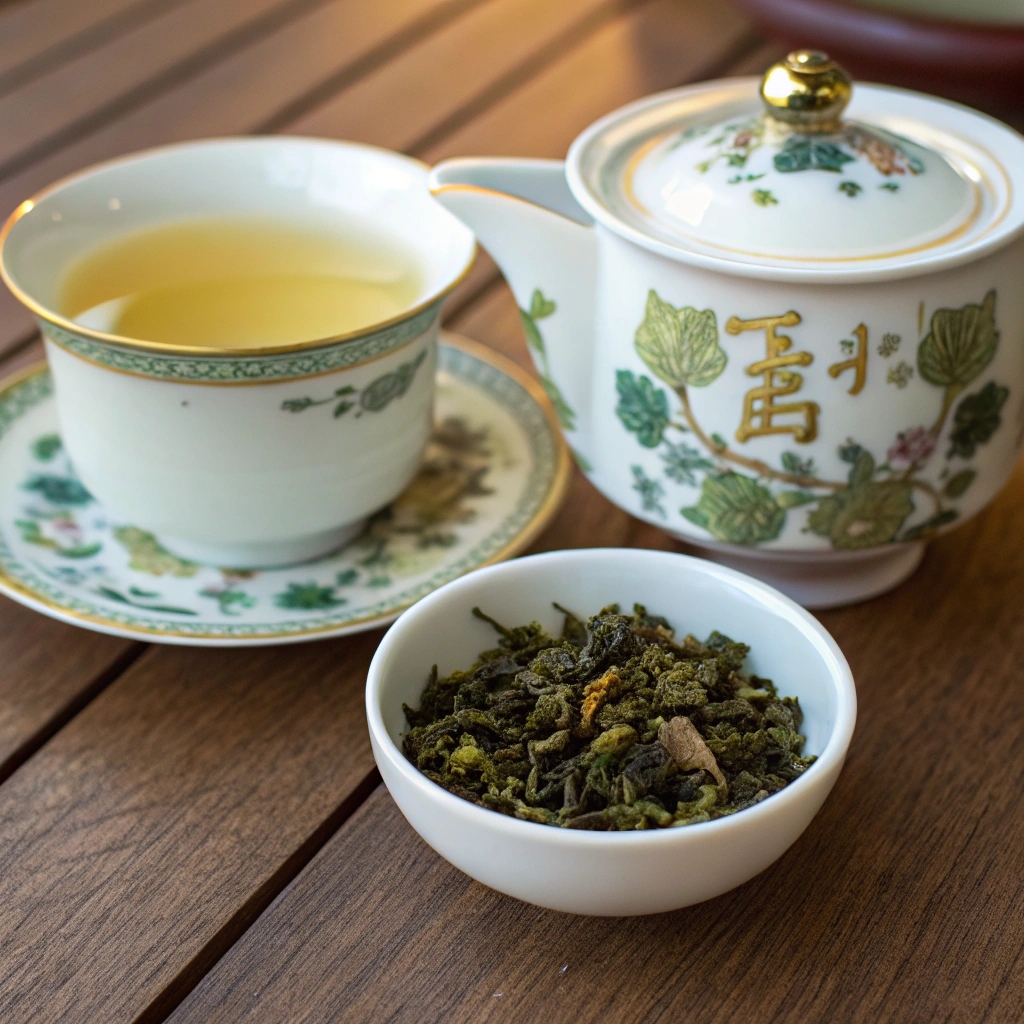
Title: Les Feuilles de Lumière: A Parisian Tea Odyssey
Prologue: The Scent of Memory (1789)
A young botanist flees Paris during the Revolution, carrying stolen tea saplings from the Royal Greenhouse. His lover, a perfumer’s daughter, dies protecting a secret tea blend in a lavender-scented letter.
Part I: Roots in Ashes (1837-1900)
Chapter 1: The Glasshouse on Rue des Martyrs
Émilie Rousseau revives her grandfather’s forgotten tea seedlings in a Parisian greenhouse. The “Mad Tea Lady” becomes notorious for serving smoky Lapsang Souchong to Baudelaire’s circle, blending poetry with leaves.
Chapter 2: The Japonisme Paradox
As Paris falls for Japanese art, Émilie battles prejudice against Asian teas. Her breakthrough comes through creating “Thé Impressionniste” – tea sachets resembling Monet’s water lilies, sold at Le Bon Marché.
Chapter 3: The Colonial Dilemma
Émilie’s grandson Luc faces moral crisis sourcing Darjeeling tea through British colonial channels. Develops first “Equinoxe” blend using North African mint as ethical alternative.
Part II: War & Resistance (1940-1968)
Chapter 4: Thé de la Libération
Jewish tea sommelier Rachel Cohen hides in the Maison Rousseau’s cellars, creating rosehip-chamomile blends for Resistance fighters. Discovers Nazi officer’s secret obsession with white tea.
Chapter 5: The 1945 Tea Ration Rebellion
Post-war Paris riots over tea distribution. Rachel’s “Marianne Blend” (bergamot + revolutionary-era herbs) becomes symbol of unity. First use of tea bags as political pamphlets.
Part III: Modern Renaissance (1989-Present)
Chapter 6: The Silicon Valley Mistake
1980s globalization nearly destroys brand. CEO Antoine’s disastrous Earl Grey energy drink leads to near-bankruptcy. Rediscovery of Émilie’s original greenhouse time capsule.
Chapter 7: Haute Couture Infusion
Collaboration with disabled perfumer Amélie creates groundbreaking “Olfactory Tea Series” – each blend paired with scratch-and-sniff poetry booklets. Wins UNESCO cultural heritage status.
Chapter 8: Climate Crusaders
Current heiress Camille transforms company into climate-positive model. Launches “Floating Tea Garden” barges on Seine using hydroponic hybrids. Faces controversy over AI-designed “Algorithmic Assam.”
Epilogue: The Last Steep (2115)
A tea historian in flooded Paris analyzes the brand’s legacy through found objects: A cobalt tin holding VR chips of Émilie’s greenhouse, a petrified jasmine bud from 1945, and the still-fragrant lavender letter from 1789.
Key Themes to Expand:
- Tea as cultural diplomacy between France/Asia/Africa
- Gender dynamics in European tea history
- Intersection of gastronomy & avant-garde art
- Ethical sourcing through centuries
- Technology vs tradition in food craftsmanship
Visual Elements to Incorporate:
- Original 19th century tea posters
- Blue-and-gold packaging evolution
- Secret symbols in blend numbering (e.g., Blend 1789 = revolution-inspired)
- The greenhouse as living archive
Leave a Reply